

GMAW/FCAW 3G & 4G
Advanced practical learning in Gas Metal Arc Welding and Flux-Cored Arc Welding for 3G and 4G positions. Learners work through equipment setup, wire and gas selection, parameter control, joint preparation, position technique and visual inspection.
Develop Practical Competence for Real Work
Advanced practical learning in Gas Metal Arc Welding and Flux-Cored Arc Welding for 3G and 4G positions. Learners work through equipment setup, wire and gas selection, parameter control, joint preparation, position technique and visual inspection.
GMAW/FCAW productivity and weld quality depend on correct voltage, wire-feed speed, gas flow, polarity, travel angle and work preparation. Training builds the disciplined setup and technique needed for repeatable performance.
NSDA-Approved Occupation
Competency development in GMAW/FCAW 3G and 4G welding positions through structured setup, joint preparation, practical performance and quality review.
Competency Focus
- Equipment, gas and wire setup
- Material and joint preparation
- Parameter setting and safe operation
- 3G and 4G welding technique
- Inspection, defects and corrective practice
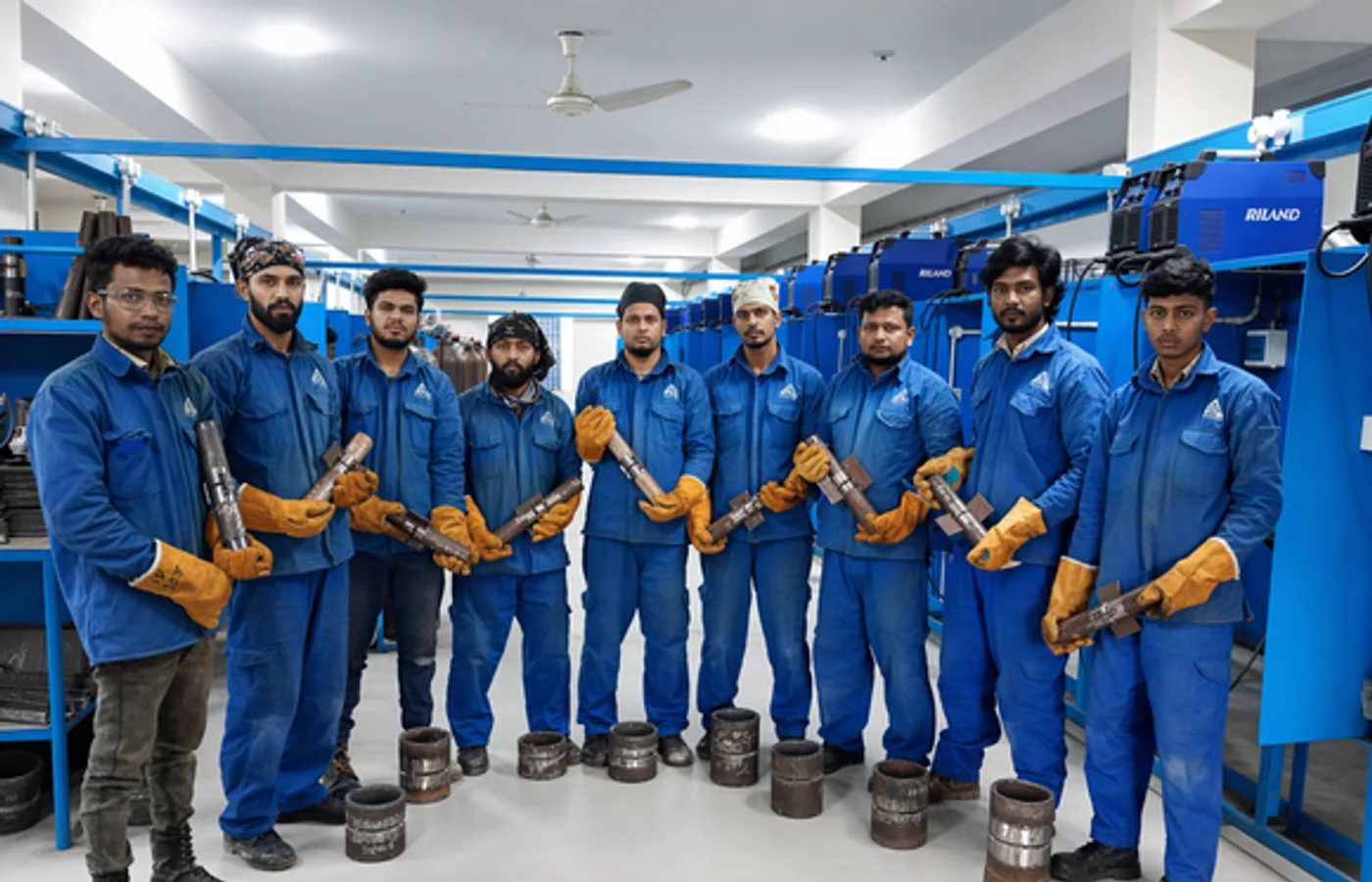
Demonstration, Practice and Trainer Feedback
Each important task is first explained and demonstrated. Learners then perform the task in manageable steps, repeat it, receive feedback and correct gaps. This approach develops both technical accuracy and the confidence to work safely with others.
Course Learning Outcomes
By the end of training, a committed learner should be able to demonstrate the following knowledge, practical skills and safety behaviours.
Apply process-specific safety, ventilation and PPE controls
Set up the power source, feeder, torch, gas and earth clamp
Select wire, shielding gas, polarity and operating parameters
Prepare, align and tack plate joints for position welding
Perform 3G and 4G GMAW/FCAW practical exercises
Inspect bead profile, fusion and common welding defects
Build Accuracy Through Repeated Occupational Tasks
Practical sessions move from trainer-controlled exercises to more complete occupational tasks. Learners are observed for safety, sequence, tool handling, measurement, quality and completion. Where performance gaps appear, the task is explained and practiced again.
Attendance and active participation are important because each practical stage builds on the previous stage. Learners should follow instructions, protect tools and materials, maintain housekeeping and communicate immediately when a task or safety control is unclear.
- Pre-task briefing and learning objective
- Trainer demonstration and guided questions
- Individual or team practical performance
- Quality inspection and corrective feedback
- Daily reflection and progress recording
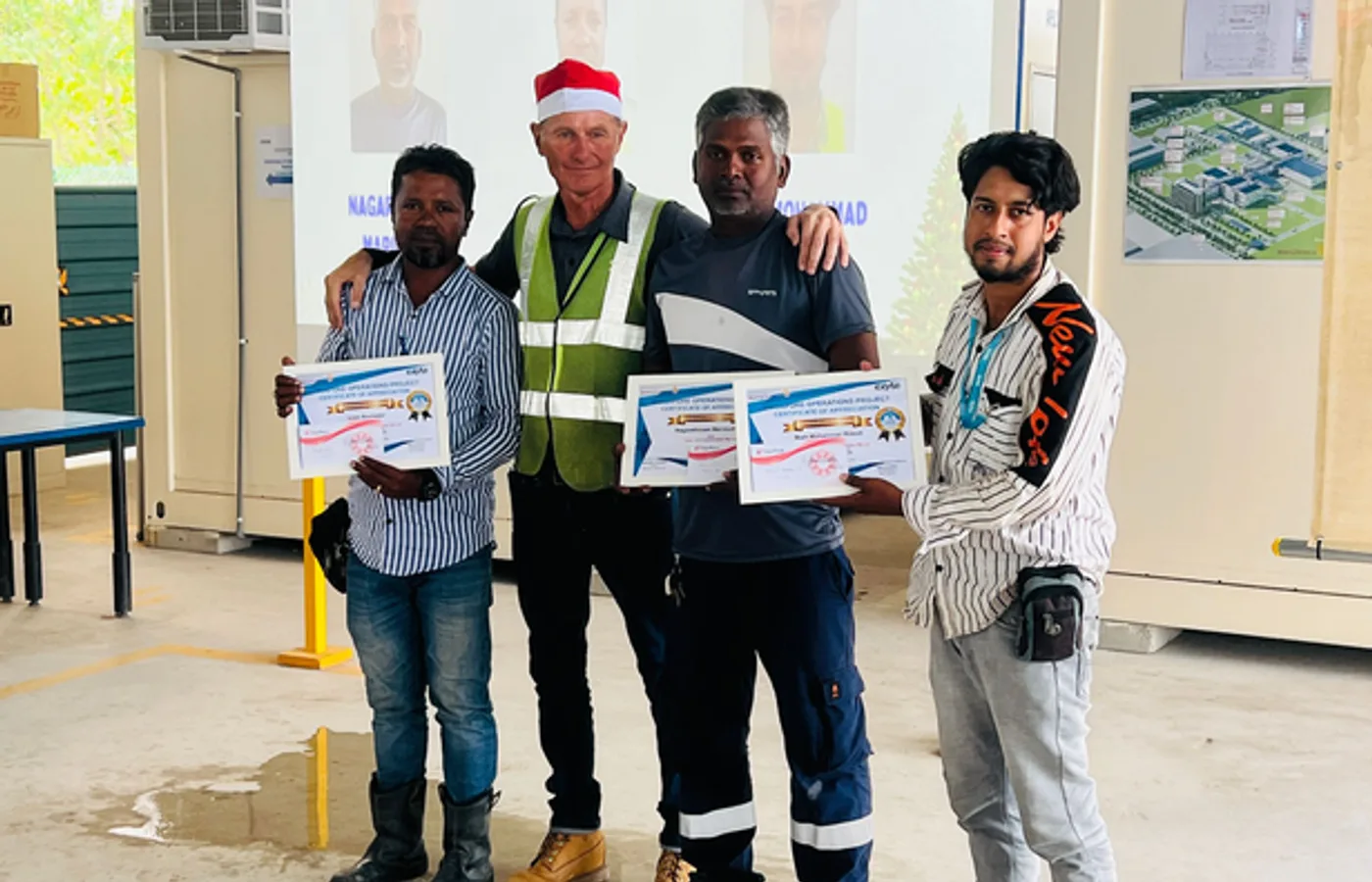
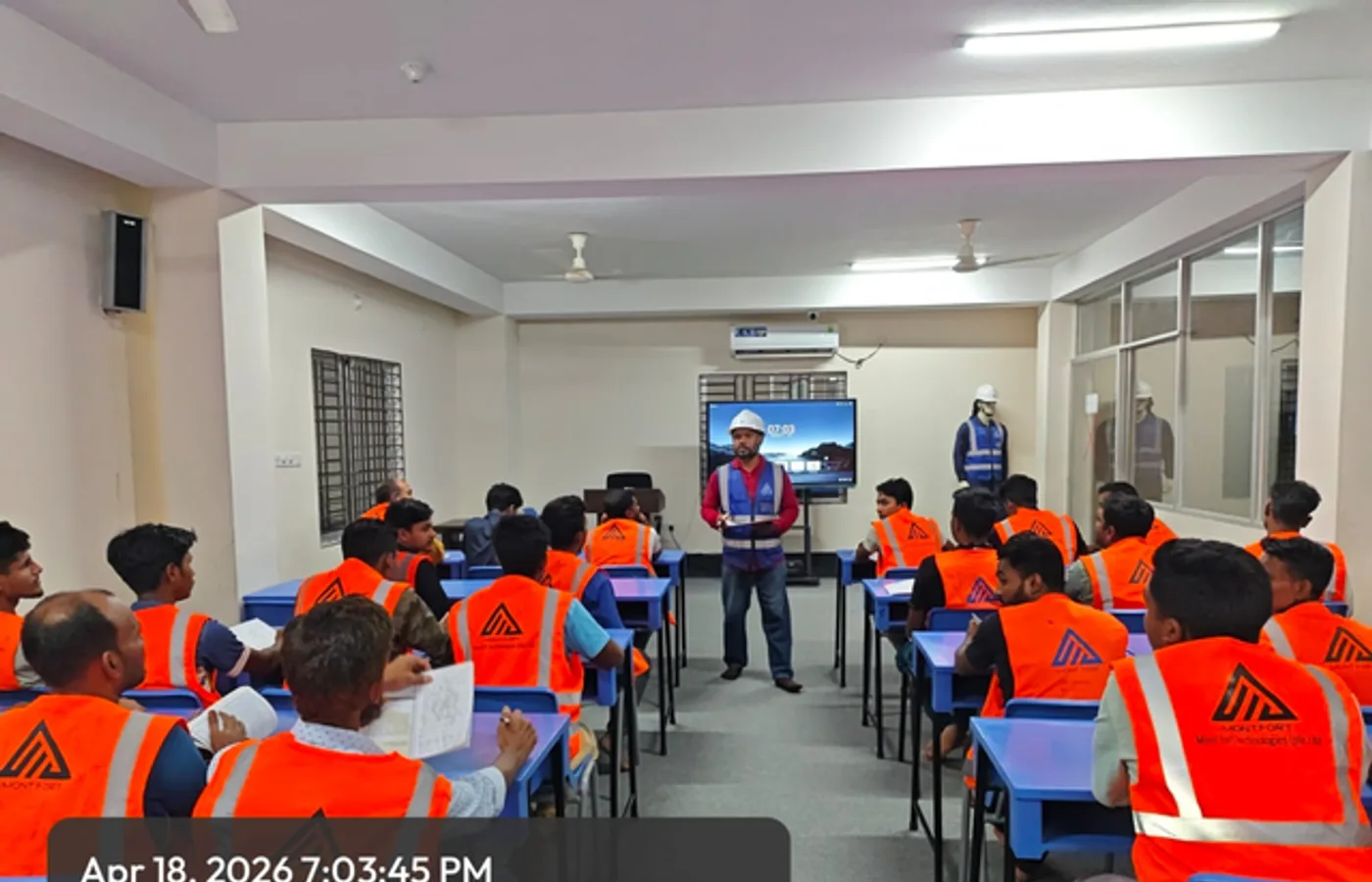
Day 1–60 Curriculum Journey
The exact approved delivery plan may vary by occupation and batch. This pathway shows how foundation learning progresses toward assessment readiness.
Orientation, Safety & Foundation
Course induction, PPE, hazards, workplace discipline, terminology and essential safety controls.
Tools, Materials & Core Knowledge
Tool identification, material properties, measurement, setup and trainer-led foundation exercises.
Guided Practical Development
Demonstration, step-by-step trade tasks, supervised repetition and immediate corrective feedback.
Occupational Skill Practice
More complete tasks, quality checks, productivity awareness and independent performance building.
Competency Gap Improvement
Internal verification, targeted re-practice, mock tasks and evidence completion.
Assessment & Workplace Readiness
Final review, assessment preparation, documentation, career guidance and exit process.
See the Mont Fort Training Environment
This short visual introduction presents practical construction training, workshop discipline, classroom learning and workplace readiness.
Learn with the Equipment Used for the Trade
Learners are introduced to correct identification, inspection, safe handling, use, cleaning and storage. Equipment availability can vary by batch and practical task.
Safety and Discipline Are Part of Competence
- Wear task-appropriate PPE correctly
- Participate in toolbox and pre-task briefings
- Maintain access, housekeeping and tool control
- Report unsafe conditions, damage and uncertainty
- Respect work sequence, teamwork and trainer instruction
- Protect materials and avoid unnecessary waste
How Learner Progress Is Verified
Course completion and competency assessment are separate processes where applicable. Confirm the current assessment and certificate pathway with admission.
Daily Observation
Attendance, PPE, task sequence, tool handling, quality and professional behaviour.
Knowledge Review
Oral questions, module review, safety understanding and internal theory checks.
Practical Verification
Task performance against occupational steps, quality requirements and safety controls.
Assessment Preparation
Mock tasks, evidence review, gap-focused practice and final administrative readiness.
Possible Work Directions
Employment depends on individual competence, employer requirements, documents and current market conditions. Training does not guarantee a job.
Questions Before Enrollment
Use the official contact details to confirm the latest information for your preferred batch.
Ask AdmissionWho can apply for this course?+
Eligibility depends on the occupation, level and current batch requirements. Contact admission with your education, experience and career goal.
Is the course practical or theory-based?+
Delivery combines essential theory with trainer demonstration and intensive practical work. Practical participation is a central part of the program.
Are accommodation and meals available?+
The company profile presents residential accommodation and canteen support. Confirm current availability, inclusion and conditions before admission.
Will I receive a certificate?+
The certificate pathway depends on course completion, attendance and applicable assessment requirements. Admission will explain the current process.
Does completing the course guarantee overseas employment?+
No. Training develops skills and readiness; employment depends on competence, employer selection, documents, regulations and market demand.
Related Training Programs
Compare approved occupations and planned programs before selecting your pathway.
 NSDA Approved
Level-4
Construction Site Supervision
Site planning, coordination, safety, quality, resource control and construction work supervision competencies.
View Course Details NSDA Approved
Level-2
Construction Formwork
Hands-on formwork skills for safe and accurate construction work.
View Course Details NSDA Approved
Level-3
SMAW 3G & 4G
Shielded metal arc welding preparation, position welding, joint quality, equipment care and occupational safety.
View Course DetailsReady to Start GMAW/FCAW 3G & 4G?
Speak with admission for eligibility, schedule, fees, documents and current seat information.